
📋 Monitoring Program Activities: Ensuring Quality at Every Step
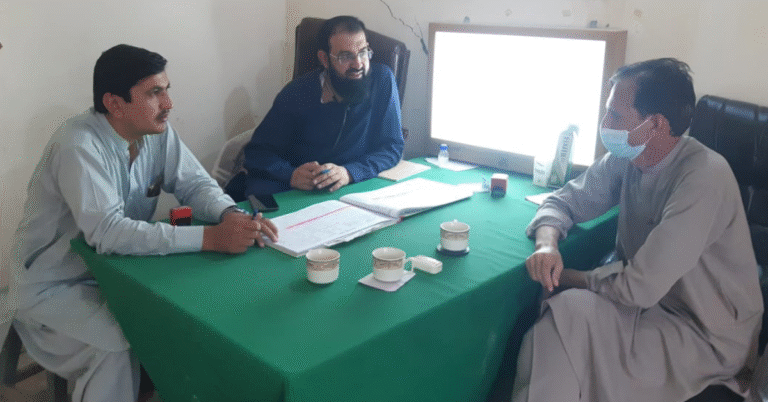
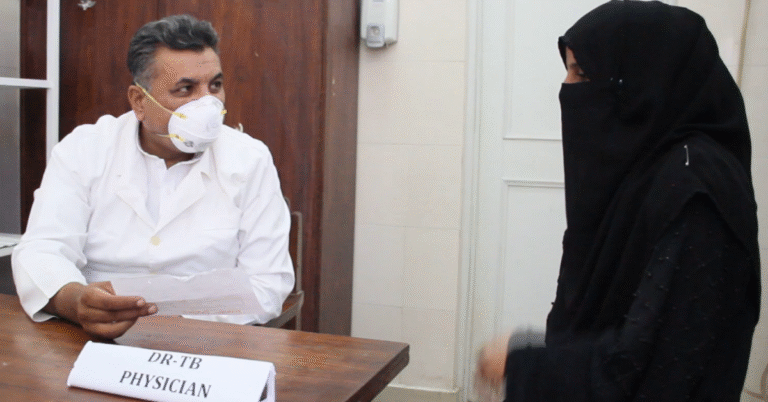
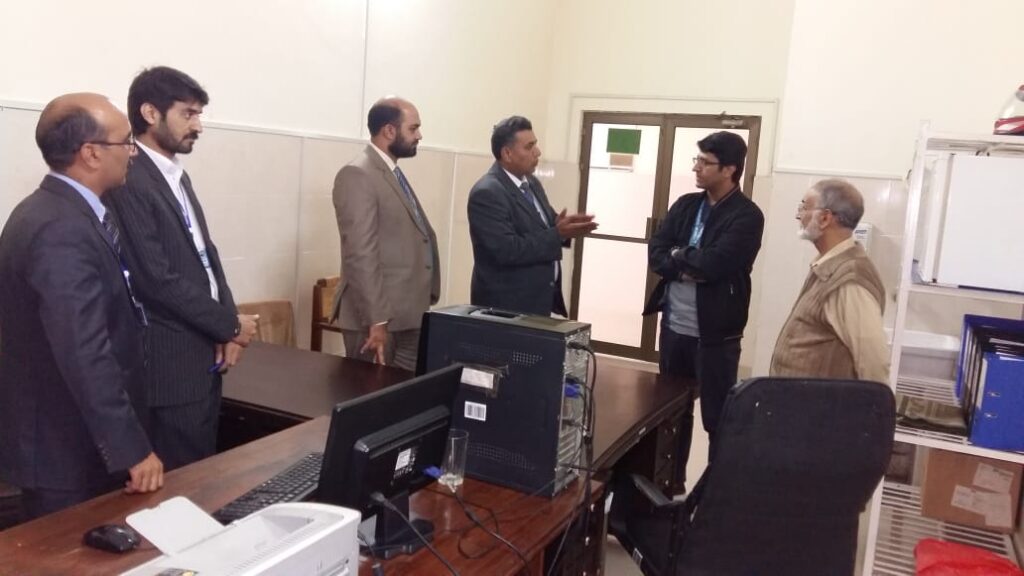
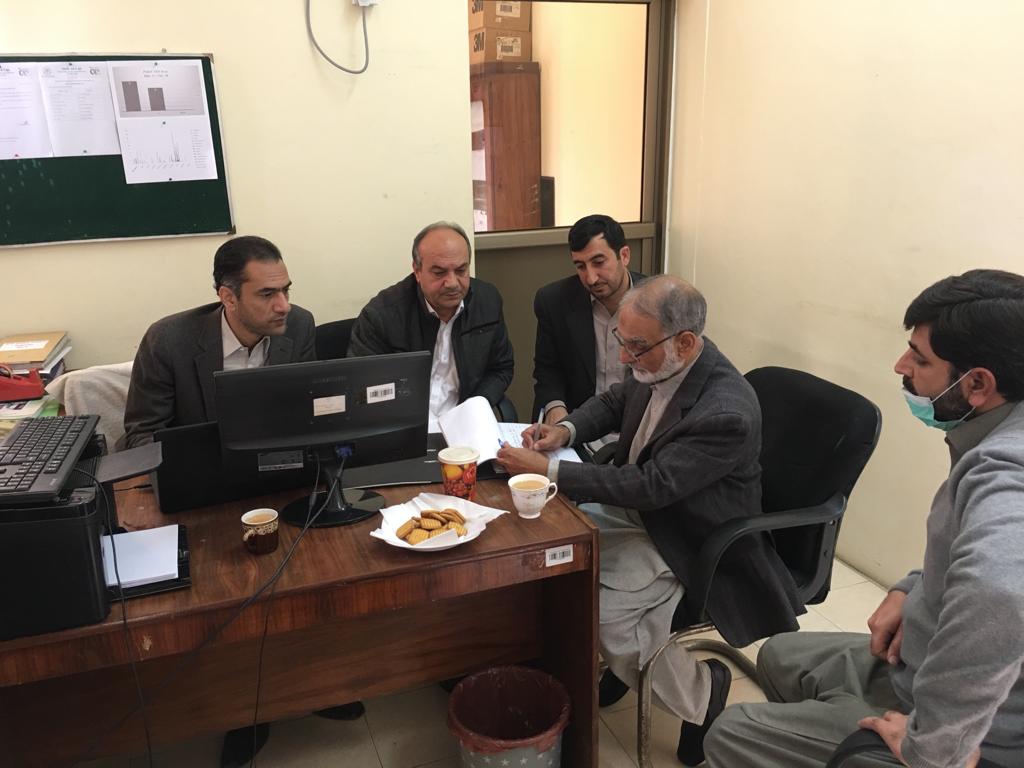
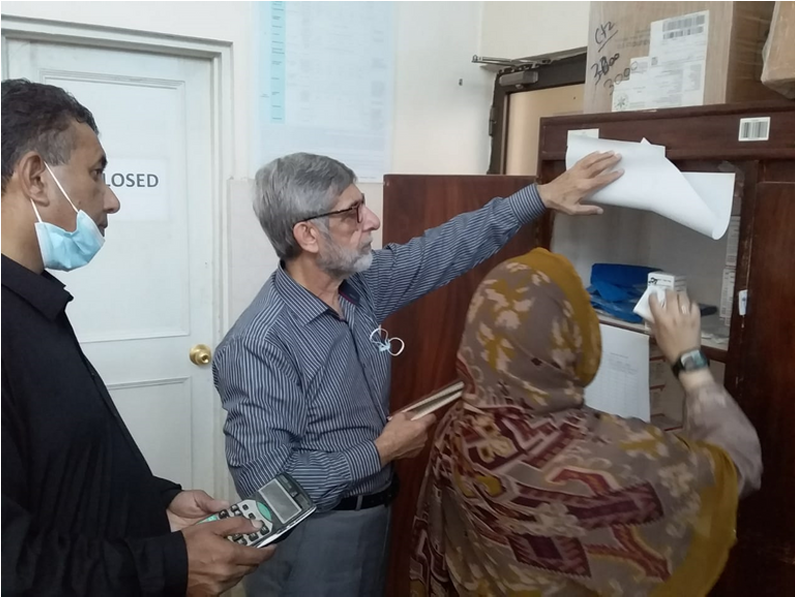
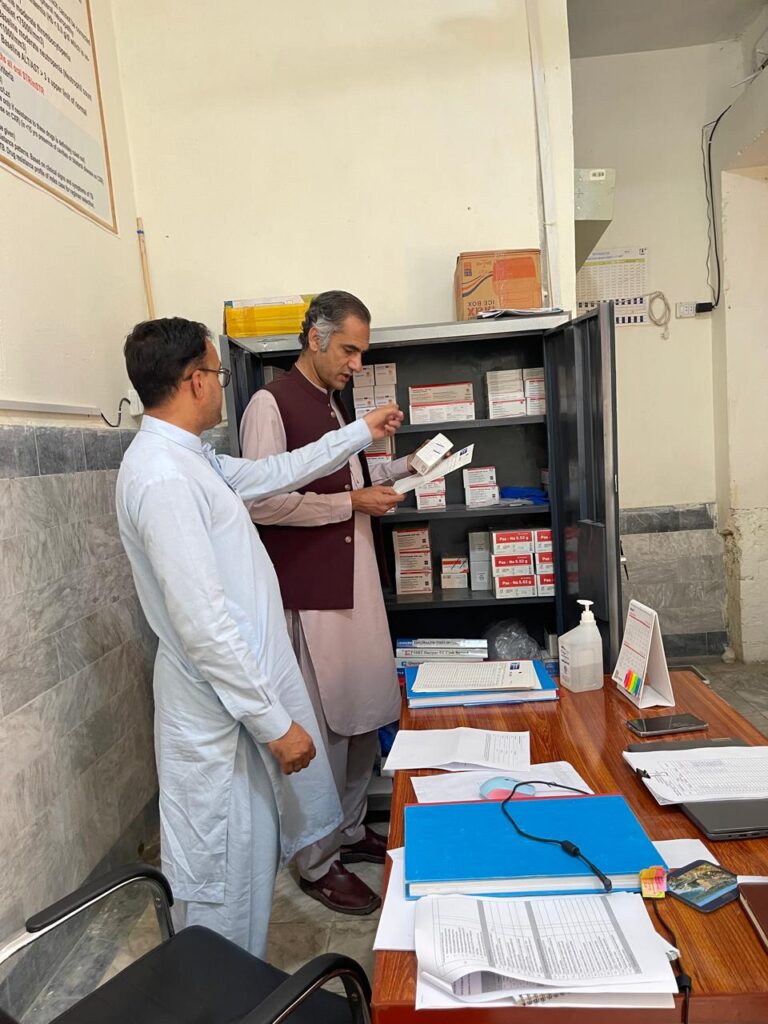
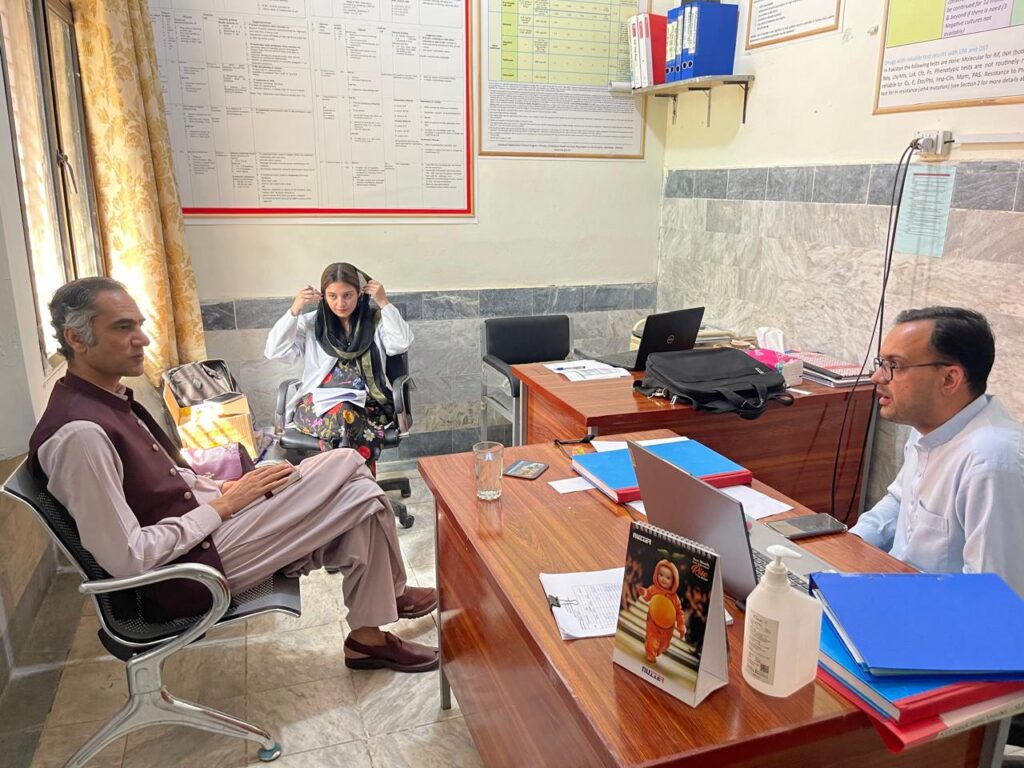
To deliver high-quality DR-TB care, we conduct regular monitoring and evaluation across all treatment sites. This helps us ensure data accuracy, compliance with guidelines, and continual improvement of services.
Monitoring and evaluation (M&E) are critical in public health programs, especially when dealing with complex diseases like Drug-Resistant Tuberculosis (DR-TB). It helps ensure that:
- The care provided is effective and safe
- The data collected is reliable for decision-making
- The program adapts quickly to changing needs or treatment guidelines
- Stakeholders, funders, and the government can track accountability and performance
📌 Main Highlights
📂 Digital Patient Records
- Every DR-TB patient has a digital profile.
- These records store patient registration details, diagnostic results, treatment regimens, and follow-up progress.
- It reduces paperwork, prevents loss of data, and ensures continuity of care even when staff changes.
🔐 Secure, Real-Time Access
- Authorized healthcare providers can access records instantly.
- This enables faster response times when something changes in a patient’s condition.
- It also helps prevent duplication or delays in treatment.
📊 Monitoring Dashboards
- These dashboards give program managers and supervisors a bird’s-eye view of:
- Number of patients registered
- Drug stock levels
- Test results (GeneXpert, culture, DST, etc.)
- Treatment adherence
- Site-level performance
- They help identify gaps, such as:
- Sites not updating data regularly
- Patients missing follow-ups
- Delays in lab results
🎯 Impact of Strong Monitoring
With robust monitoring systems:
- Errors or delays in patient care are detected early and corrected.
- Resources are used more efficiently.
- Frontline workers feel more supported, knowing they are backed by real-time systems.
- The program can show evidence of impact to donors and policymakers.