+92 (091) 5701426
info@acd.org.pk
Mon - Fri: 8:30 - :4:30
About Our Organization
The Association for Community Development (ACD) is a distinguished non-governmental humanitarian organization, officially registered with The Registrar Joint Stock Companies and Societies, Government of Khyber Pakhtunkhwa, under the Societies Act XXI of 1860. Established with a commitment to enhancing health and welfare, ACD has been an active force in the development and delivery of healthcare services across Pakistan, with a particular focus on marginalized and refugee populations.
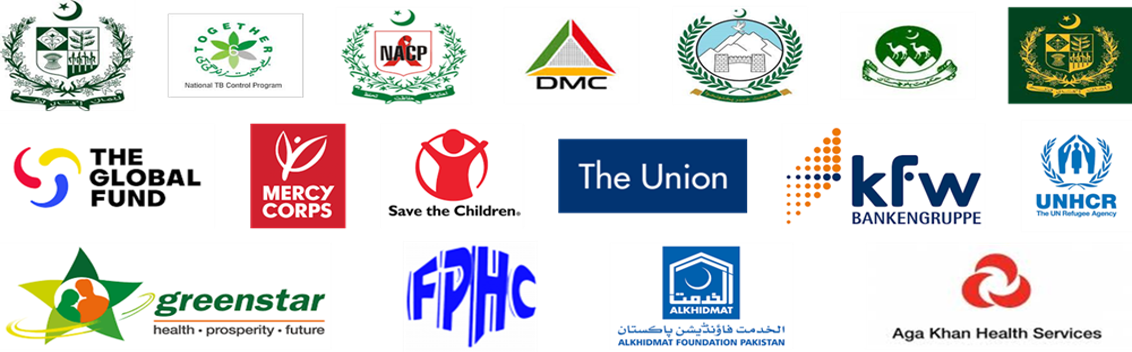
Since its inception, ACD has accumulated over three decades of expertise in health project implementation, collaborating with renowned international bodies such as the Italian Cooperation for Development, the Ministry of Foreign Affairs of the Republic of Italy, Health Net International, the United Nations High Commissioner for Refugees (UNHCR), and the Project Directorate of Health for Afghan Refugees. These longstanding partnerships have reinforced ACD’s capacity to design and execute impactful health interventions.
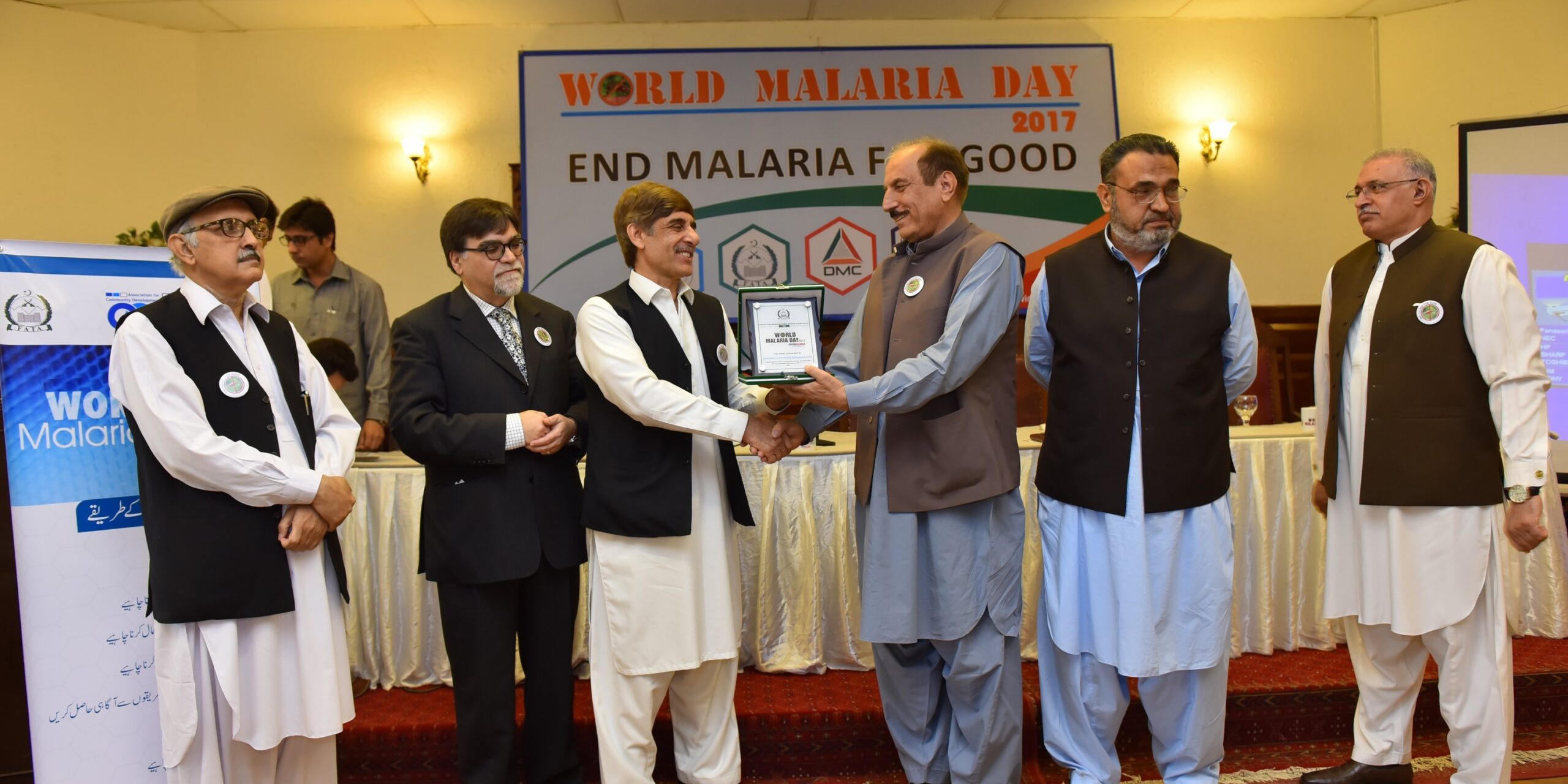
The core mission of ACD is to improve preventive, promotive, curative, and rehabilitative health services for both local and refugee communities in Pakistan, with a steadfast commitment to impartiality. Our guiding principle is that every individual, regardless of race, religion, or political affiliation, is entitled to access essential healthcare. This commitment underpins our approach to addressing critical health challenges, including infectious diseases such as Tuberculosis (TB) and Malaria.
In pursuit of this mission, ACD works in close collaboration with national health authorities and other relevant stakeholders to strengthen health systems. We provide technical support, facilitate the training of healthcare professionals, improve laboratory infrastructure, and execute health education programs aimed at increasing public awareness and promoting health-seeking behavior.
Contact UsIn addition to routine health services, ACD has also played a pivotal role in disaster response and recovery efforts following natural calamities in Khyber Pakhtunkhwa, where we have provided emergency medical aid and supported recovery initiatives.
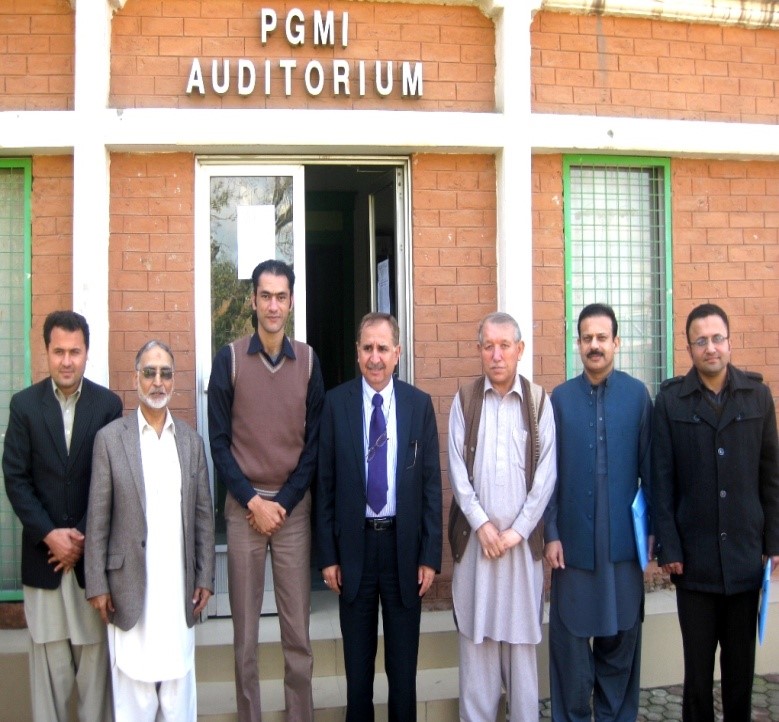
ACD’s contributions extend beyond healthcare delivery. We have made substantial strides in strengthening health management information systems, building the capacity of mid- and low-level health professionals, and fostering community engagement through village health committees, local advocates, media representatives, and volunteers. These collective efforts ensure that health programs are not only effective but also sustainable in the long term.
Through these comprehensive initiatives, ACD continues to make a significant impact on improving health outcomes and the quality of life for communities throughout Pakistan. Our unwavering dedication to healthcare equity remains central to all our endeavors.
Board of Governors
A board of seven people governs the association. It comprises different people which include chest and general physicians, public health specialists, journalists, economists, civil society members, and social workers. The board members are elected through election by a general body, representing a variety of constituencies such as professional, international NGOs, National NGOs, Civil Societies, and business communities.
Our Reportswhat we do
Highlights in Pictures
Moments Captured
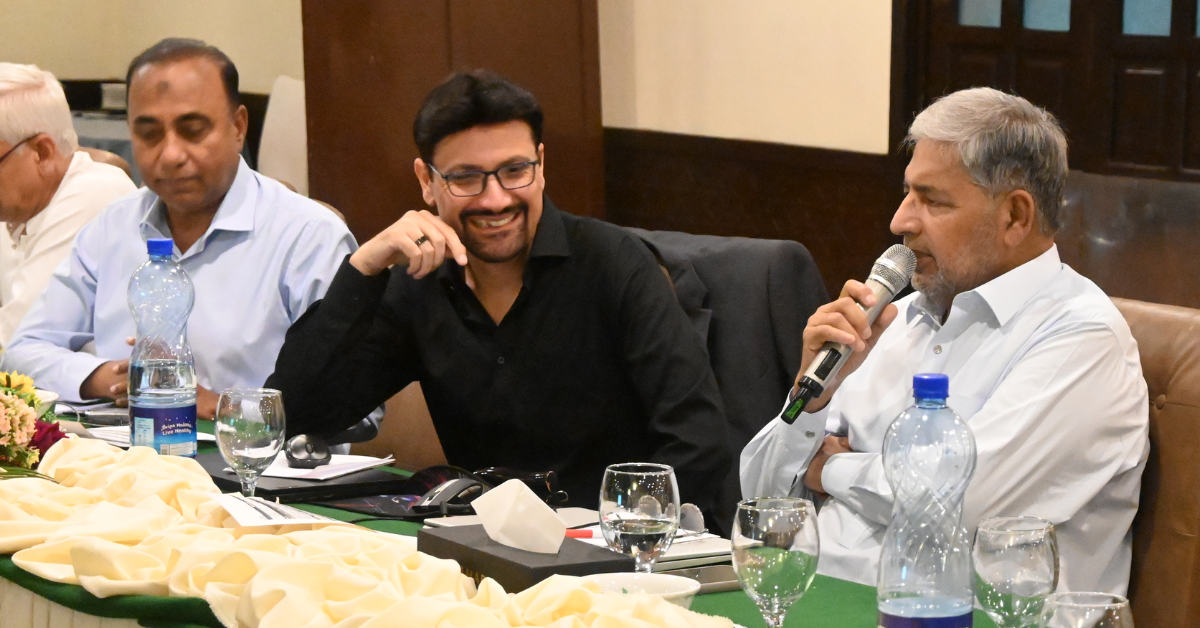
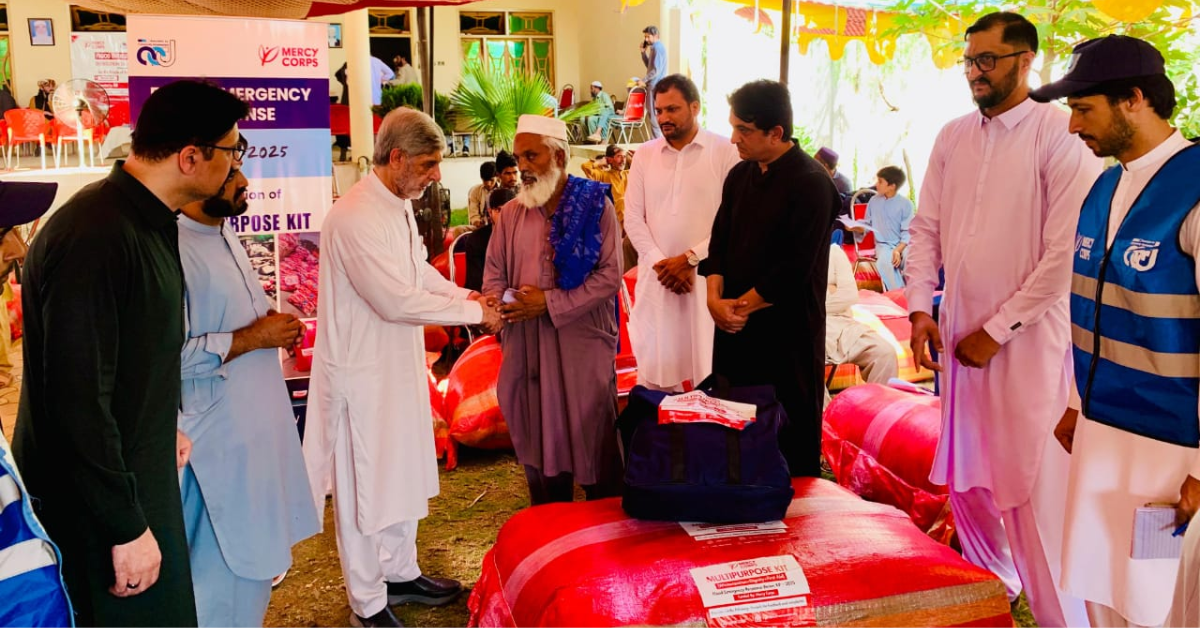
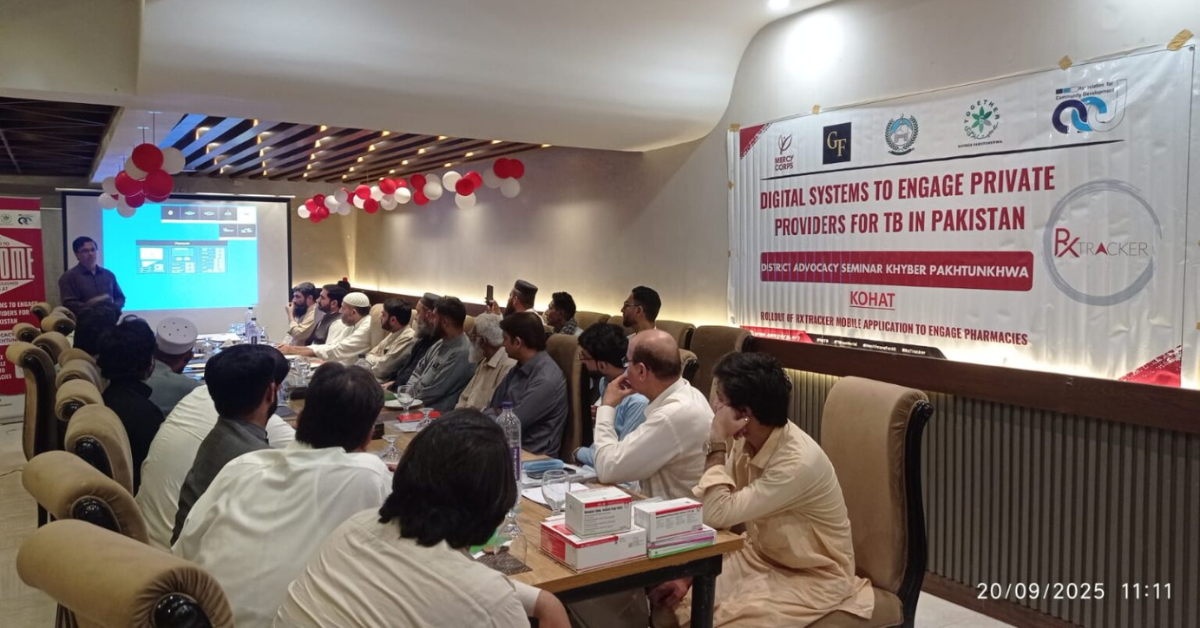
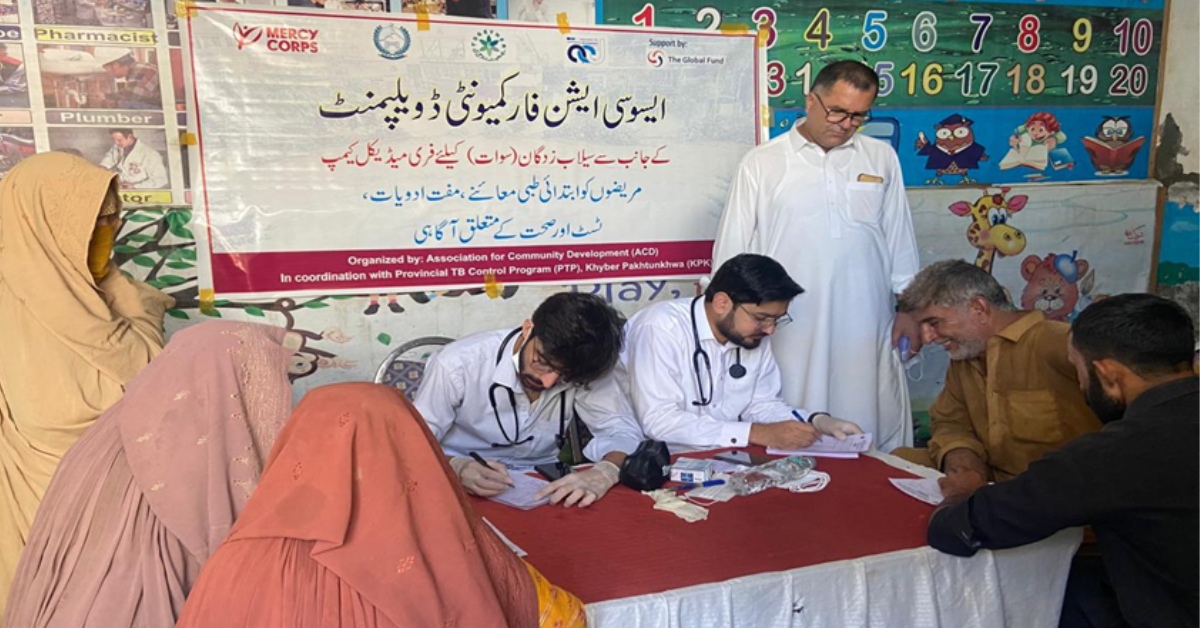
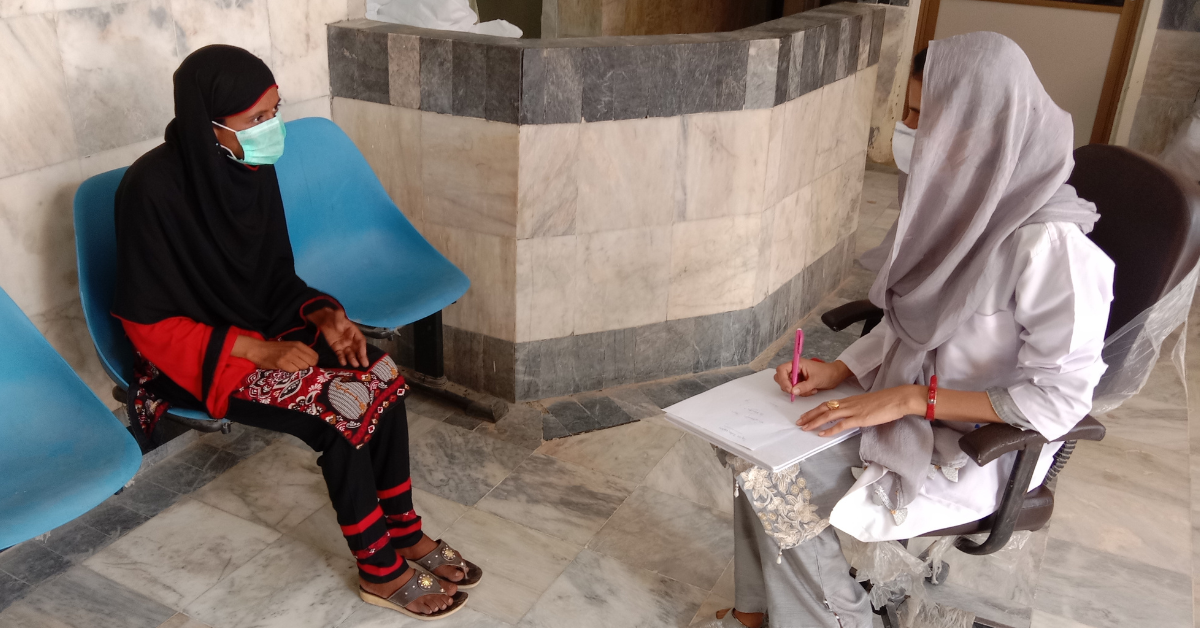
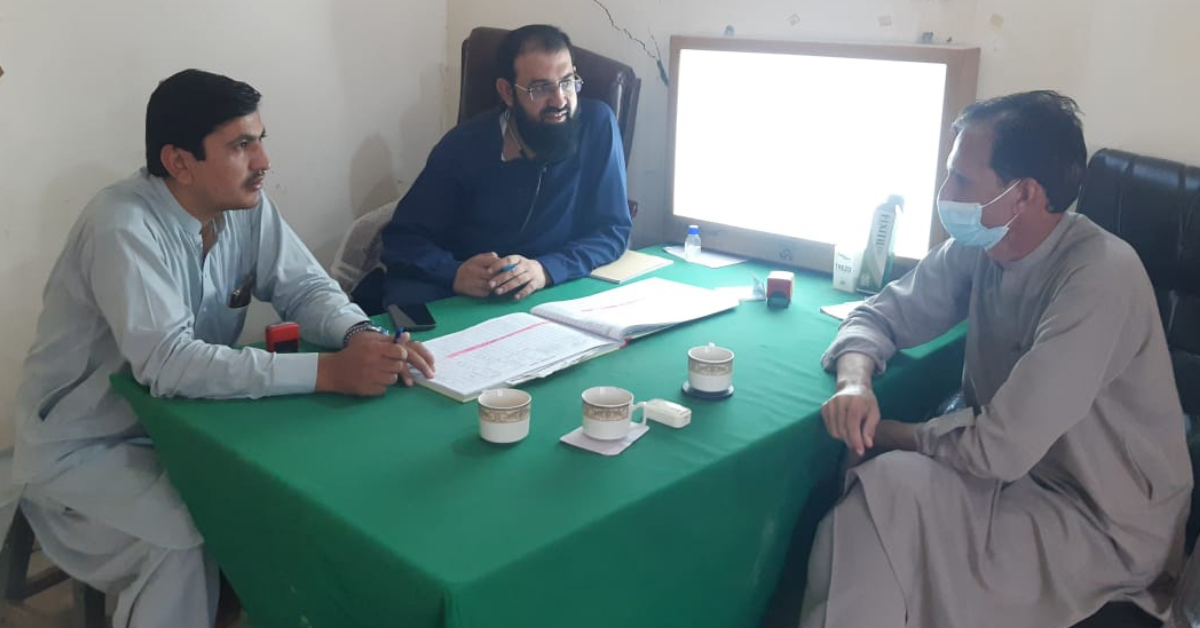
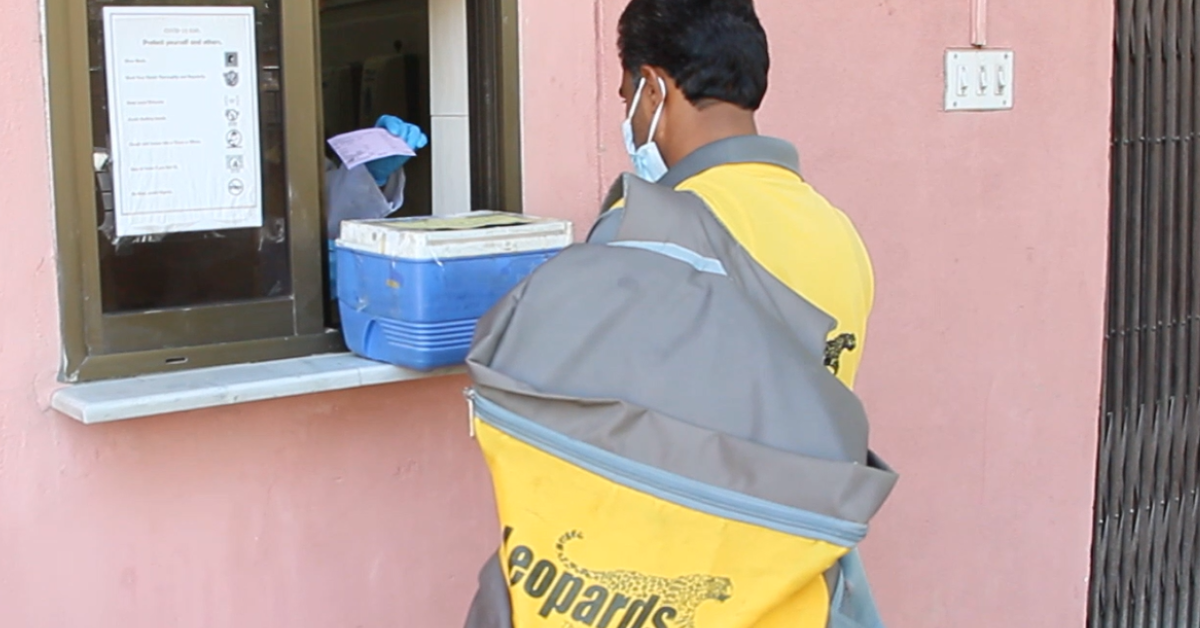
Every photo tells a story—discover the moments that define who we are. This is a collection of photos from our events, programs, and community work, showing the people and experiences that shape our mission.
Let’s Go ThereOur Partners
Our Area of Interest
Public-Private Partnership / Mix
Easily customize every aspect of your list from widget styles but also you can give custom colors to each item as well.
Development of Training Materials
Easily customize every aspect of your list from widget styles but also you can give custom colors to each item as well.
Logistics support
Easily customize every aspect of your list from widget styles but also you can give custom colors to each item as well.
Our Strength and Resources
ACD’s office is based in Peshawar and is equipped with communication, data processing, audio-visual, laboratory, and training equipment with a small library. A training unit and a reference laboratory for training, quality assurance, and AFB culture and susceptibility testing support the projects.
Some field staff that includes social mobilizers and LLIN distributors are based in 3 FATA agencies and 10 districts of Khyber Pakhtunkhwa. By the end of April 2011, a regional office will be established in Quetta for the implementation of GFR 6 activities in four districts of Baluchistan.
The staff has extensive experience in project implementation, monitoring, supervision, needs assessments, establishing field TB and malaria microscopy centers, and implementing external quality assurance. The core technical team has worked with the Italian Cooperation for Development and HealthNet International which supported TB and Malaria programs in KPK from 1986 to 2000. The team comprises public health specialists, general physicians, laboratory technologists & technicians, entomologists, sociologists, social mobilizers, and LLIN distributors supported by finance and administration personnel as well as other support staff.
The laboratory staff has almost twenty years of working experience in AFB microscopy, culture, and susceptibility. All laboratory personnel are trained as master trainers.
The admin and finance section is staffed by postgraduates in finance, commerce, management, and human resource development with working experience in UN agencies and international organizations.
The staff has demonstrated the ability to communicate in different local languages. Association has a part-time panel of consultants comprising an epidemiologist, a sociologist, a social anthropologist, and an IT professional.
ACD has functional policies and procedures for recruitment, procurement, logistics, transport, finance, and administration. These policies are strictly followed for optimal utilization of resources and smooth running of the program activities. The policy and procedures manual is revised annually to bring it in line with the organization and donors’ needs and acceptable standards.
Financial management capacity
The grants that ACD gets from its donors are for programs for periods between one year and five years. The vast majority of the organization’s expenditure is undertaken on project activities and the unspent funds are returned to the donors.
ACD employs professional financial managers to ensure transparency and accurate record keeping and abides by the financial recording and reporting system and requirements of the donors. In general, it follows the principles and standards of accounting and maintains the accounts on a double-entry system. The bankbooks, ledger, bank, and cash reconciliation reports along with support documents are meticulously maintained. The financial reporting depends on the donor’s requirements. and are monthly or quarterly submitted to the donors.
ACD has an internal and external audit function in place. Internally accounts are monitored by senior management. Monthly and quarterly reports are submitted to the donors. An annual independent audit of the accounts is carried out for independent projects according to the rules and regulations of Pakistan keeping the international recommended standards. The auditors firm selected for carrying out external audits is among the ones on the Quality Control Rating (QCR) list of the Institute of Chartered Accountants of Pakistan. The TORs for the external auditors are shared and approved by the donors.
The Logistics officer is responsible for ensuring the efficiency and transparency of supply chain and procurement management for both health and non-health products. His primary responsibility is to ensure donor regulations, and procedures and that recommended technical standards are being adhered to. ACD has its procurement guideline defining capital assets, different modes of procurement, a list of authorized persons, an authority matrix for procurement, procurement mechanisms, procurement controls, composition, and responsibilities of the procurement committee. ACD has pre-qualified a group of reliable manufacturers and suppliers for different items needed for project implementation.
On the project level, ACD currently uses a project performance framework to ensure that the project’s process and outcome indicators are monitored. This is the responsibility of program teams who analyze data for both project monitoring and implementation. This information, along with many other aspects of programming is reported to the donors on a monthly and quarterly basis. Senior program and finance management also conduct field monitoring and coordination visits in the target districts where appropriate. Regular monitoring visits of the project area are also performed by the donors and national programs which are facilitated by the ACD team. These monitoring visits are used for improving the performance of field teams. ACD’s monitoring and evaluation manual has incorporated donors’ requirements and tools for data verification and progress updates.
ACD has been providing technical inputs to the National and Provincial TB control program, WHO Pakistan, WHO, MOH, Global Fund office Afghanistan, UNHCR, GTZ, and national and international NGOs. The technical assistance comprised human resource development; material supply and management, monitoring and evaluation, developing a network of peripheral microscopy centers, and quality control mechanism in the province.
ACD has been closely working as a sister organization with HealthNet International which has a worldwide reputation for malaria control programs. HNI worked in Pakistan for the last 25 years for the local community and Afghan refugees. The organizations provide technical support to all implementing partners working for the control of malaria. ACD has the capacity to provide technical assistance regarding integrated vector control, case management, operational research, quality control, quality assurance, Laboratory strengthening, and monitoring and evaluation of malaria programs.
Besides the national and provincial programs, ACD has established partnerships with a number of national and international civil society organizations and has been providing technical support in the field of TB and Malaria control.
ACD has a comprehensive training program targeting all levels of the health care system (ranging from, provincial and district levels to community health volunteers and school children at the grassroots level) to improve the capacity to respond to infectious diseases like TB and Malaria. Health awareness training and Community mobilization have improved community access to health services and encouraged communities to take action for the improvement of their health at a local level.
Training all categories of health staff using national and international guidelines is one of the major activities that ACD carries out in its projects. ACD has been conducting training for program managers, doctors, paramedics, laboratory technicians, community health workers, and community volunteers in TB- DOTS and Malaria control interventions.
ACD has strengthened a network of field laboratories with technical and material support to diagnose sputum-positive cases, monitor treatment progress, and at the end of treatment document the outcome results by microscopic examination. Field laboratories are supported by the ACD central laboratory. The ACD central laboratory not only conducts training for a different level of laboratory staff but also maintains quality control of the laboratories. It routinely performs culture and sensitivity testing for the primary and acquired drug resistance of mycobacterium TB for TB patients referred by public and private sector organizations.
ACD gives significant importance to the quality assurance of the activities performed in the clinics to maintain the standard of services acceptable to donors, WHO, and the National program. For this purpose ACD monitoring and evaluation teams that consist of clinicians, public health, and laboratory personnel regularly supervise the clinics. These visits are also used for on-the-job training, supply of materials, data collection, and feedback on field observations.
The Association has been actively involved in developing TB training and health education materials in the local language. This material has been used not only in Khyber Pakhtunkhwa but also been used by the refugee program in Baluchistan. The government of Afghanistan adopted ACD’s developed health education materials for its national program and has developed national postal stamps from it. The training material developed by ACD includes;
Manual for direct sputum smear microscopy and laboratory management.
Manual for sputum collection and smearing.
Manual for dispensers on TB management
Guideline for social welfare workers and volunteers
Health education material on DOTS implementation for community health workers
Charts on TB symptoms, transmission, and prevention.
Poster on DOTS
Chart of standardized treatment categories.
Standardized TB suspects management chart.
Anti-TB drugs side effects management chart.
Flip charts for training community health workers and volunteers.
Booklets with important information about TB.
Handouts with frequently asked questions about TB and their answers.
Engagement of non-MOH and non-State sectors
With the support from International Union Against Tuberculosis and Lungs Diseases ACD implemented the Strengthening of DOTS in 9 districts of NWFP, Pakistan through intersectoral collaboration under the Fidelis project. In this project, ACD engaged para-statal and private-sector health institutions for DOTS implementation. The institutions were supported for human resource development, laboratory strengthening, external quality assurance, material supply, the introduction of NTP registration and reporting tools, public awareness, monitoring and evaluation
ACD introduced NTP health information system tools in the Afghan refugee TB program and health institutions of the para-statal departments. It also trained health staff of public sector health facilities in the use of NTP-HIS. About 200 health facilities were supported in implementing the HIS.
Empowering people and communities through awareness
ACD has been involved in empowering people and communities by increasing awareness and knowledge about communicable diseases and by improving the health-seeking behaviors of the communities. It has been focusing on building a supportive environment for health through public and media advocacy and involvement. It has also worked on consensus building and commitment with community-based groups, organizations, and the community through dialogue and social mobilization.
Coordination among the various partners involved in communicable disease control is very important to ensure the optimum utilization of the resources. ACD gives high priority to strengthening coordination activities with the donors and partners at the district, provincial and national levels and with the community. The coordination and functional relationship of the program includes technical and management support in strategy and policy development, capacity building, human resource development, monitoring, quality control, and supply of material required for project implementation.